Welcome to Thomas Insights — every day, we publish the latest news and analysis to keep our readers up to date on what’s happening in industry. Sign up here to get the day’s top stories delivered straight to your inbox.
When you hear “microfactory,” you might envision a factory that makes only microphones or microscopes. Or maybe it conjures images of a facility that only makes miniature-scale products. In reality, a microfactory just may be the next big thing in manufacturing.
What is a Microfactory?
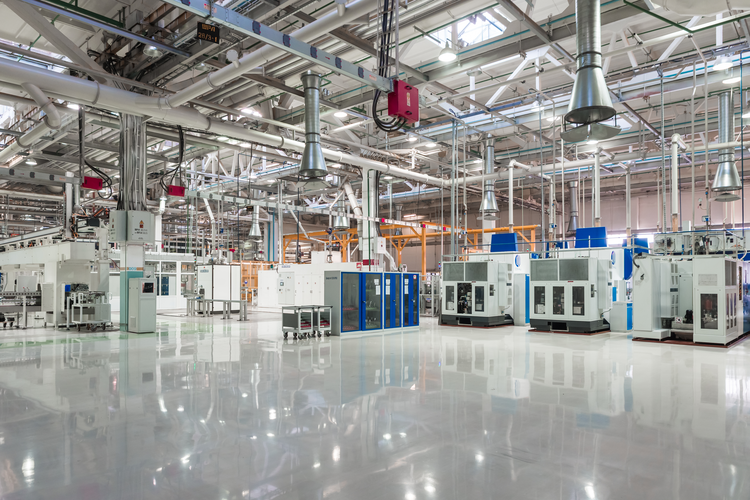
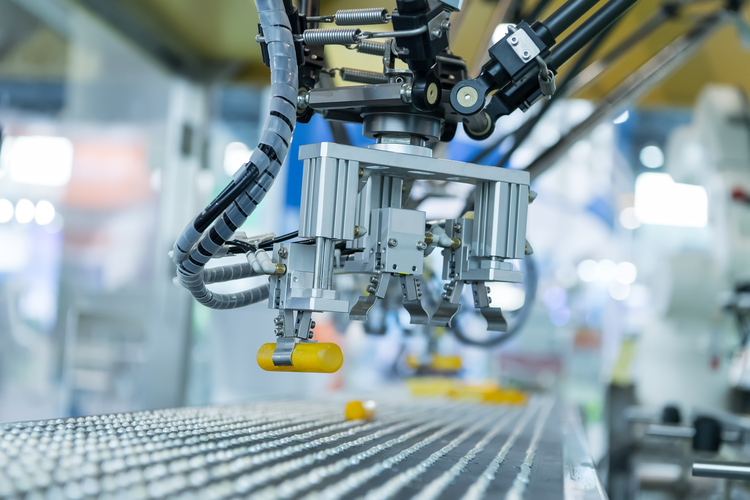
Taking advantage of new manufacturing technologies, microfactories are small, highly automated factories. In addition to requiring less space, the microfactory doesn’t need as large of a labor force and can use less energy and materials.
The microfactory business model is founded on digital technologies. Automation, augmented reality software, laser cutting, online workflows, and other new innovations make it possible for manufacturers to change the way they work. With faster processing, digital printing, and computerized cutting and dispatching, the microfactory is more agile. With the ability to turnaround products more quickly to meet demand, manufacturers are only producing products after they are sold.
These factories can have a smaller footprint as they are focused on in-demand manufacturing instead of mass production, which lets the factory minimize stock and reduce exposure to risks such as:
- Speed to market
- Value of the product stock
- Consumer relevance
- Cost of unsold inventory
Benefits of the Microfactory Movement
The microfactory does “high-mix, low-volume business with low cost and high ROI,” Ben Schrauwen, chief technology officer for Oqton, a manufacturing AI firm, wrote in IndustryWeek. These innovative factories offer several advantages, such as:
- Greater opportunity for innovation
- Lower labor costs due to AI and automation
- Increased engagement and a morale boost for highly skilled engineers working in an agile environment
- Improved flow of digital information across multiple locations
- Enhanced ability to tailor products at low cost on a moment-to-moment basis
Requiring less square footage, these microfactories are bringing manufacturing back to the U.S. No longer seeking out lower labor costs abroad, production opportunities being reshored, which reduces emissions ties to supply and product transport, while the factories themselves have a curtailed environmental impact.
Microfactories are not only using less energy but can also contribute to recycling efforts and reclamation of resources. Veena Sahajwalla, the director of the Centre for Sustainable Materials Research & Technology at the University of New South Wales, wants to see communities moving to microfactories which use tiny furnaces at selective temperatures to extract valuable resources from e-waste such as hard-drives, CDs, and phone batteries.
The microfactory trend is gaining traction in the fashion and textile industry in particular but is also being utilized in other areas as well, including:
- GE, for example, is using microfactories in its appliance division. The “First Build” factories will help the company to test products before they are moved to larger-scale production.
- Divergent 3D in 2017 raised over $65 million for an automated microfactory in California.
With microfactories making production possible for small businesses and even individuals, these little factories could have a big impact on manufacturing for the future.
Image Credit: asharkyu / Shutterstock
Related



![Is Automation a Threat or a Solution? Exploring How Americans See Automation in the Workplace [Reports]](https://reshoringmfg.com/reshoring/wp-content/uploads/images/wppipes/2019-09/a6648a83d0.png)