
Apple did it. So did Motorola, Ford, Intel, General Electric, and other electronics and automotive firms. In fact, it was a trend in many industries, as organizations such as Master Lock, Sleek Audio, and AirGuide Manufacturing joined the stampede. All in all, around 500 companies are known to have moved either all or part of their manufacturing operations back to the United States from foreign countries.
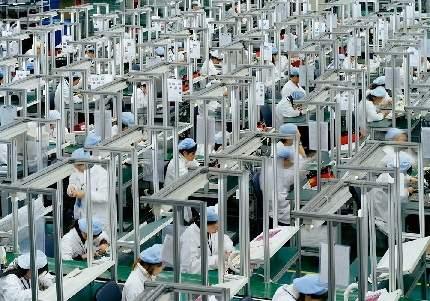
Though a host of factors have coalesced to reverse the trend that so recently eliminated 6 million American manufacturing jobs, few speak as loudly as rising costs in China. In a much-publicized Boston Consulting Group survey, many companies cited the soaring cost of labor in China as the primary reason for moving their operations.
After climbing 10% a year from 2000 to 2005, the average Chinese factory worker’s salary shot up 19% a year from 2005 to 2010. And the Chinese government has pledged to raise the minimum wage 13% every year until 2015. Strikes have become common, with the government often urging companies to meet workers’ demands instantly.
Chinese labor productivity has gone up 8% a year, but that’s not enough to make up for the wage increases. According to a Hackett Group report, companies start to consider moving out of low-cost countries and back to domestic markets when the cost gap narrows to 16%.
On the surface, manufacturing in China may still seem cheaper — it’s expected to be about 7% cheaper by 2015, according to one estimate. However, when you consider other expenses, such as duties and transportation, the difference is minimal. The cost of shipping is increasing, adding another negative to the outsourcing equation. A number of factors such as rising oil prices and a projected shortage in container port capacity by 2015 are expected to undermine China’s cost advantage further.
Escalating transportation costs hurt companies that make goods with low “value density,” such as consumer goods, appliances, and furniture. The Boston Consulting survey concludes those are some of the industries that show the most interest in onshoring.
The price of industrial land in China has also increased dramatically. At the most extreme, the national average price per square foot in China is five times higher than it is in US states such as Alabama, Tennessee, and North Carolina. Moving inland — away from the industrial clusters on the Chinese coast — is an option, but only if the company is prepared to pay even more for transportation.
These trends coincide with stagnant or declining industrial wages in the United States, now described by Boston Consulting and others as a “lower-cost country.” The successful extraction of natural gas from shale contributes to the positive outlook, prompting some observers to predict the addition of 1 million US manufacturing jobs.
Add a weakening dollar and improved domestic productivity, and the talk of a manufacturing renaissance does not seem that far fetched. Do you think these trends are here to stay?
Related posts:
Source Article from http://www.ebnonline.com/author.asp?section_id=2171&doc_id=272758


